
Create dynamic QR codes with real-time analytics. No credit card required.
Start for Free →Networking has changed significantly over the past few years. Business professionals no longer rely only on traditional paper business cards exchanged during meetings or conferences. Today, people expect faster, smarter, and more interactive ways to connect professionally.
Networking has changed significantly over the past few years. Business professionals no longer rely only on traditional paper business cards exchanged during meetings or conferences. Today, people expect faster, smarter, and more interactive ways to connect professionally. This shift has led to the growing popularity of digital business cards powered by QR technology.
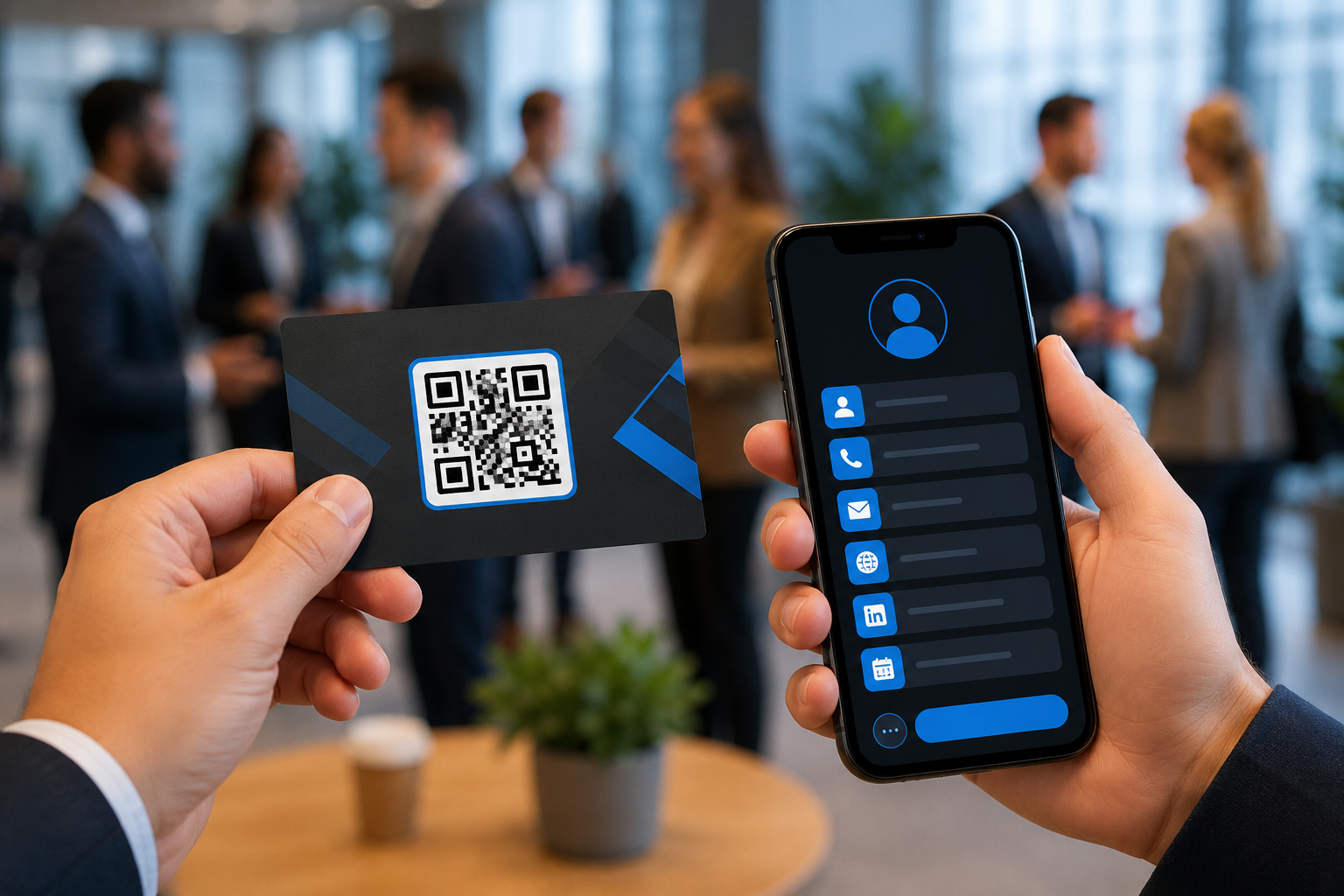
A dynamic QR code business card allows professionals to instantly share contact details, social profiles, websites, portfolios, booking links, and company information through a quick smartphone scan. Instead of manually typing phone numbers or searching LinkedIn profiles later, contacts can save information directly to their devices within seconds.
The appeal of QR-powered networking is simple: it removes friction from professional communication. Whether at conferences, trade shows, networking events, client meetings, or casual introductions, QR business cards help professionals create faster and more memorable connections.
At the same time, digital networking tools provide flexibility that traditional business cards cannot offer. Contact information can be updated instantly, analytics can track engagement, and professionals can create branded experiences that better reflect their identity or business.
As networking continues becoming increasingly digital and mobile-first, QR business cards are quickly moving from a trend to a practical standard for modern professionals.
Traditional business cards have been a core networking tool for decades, but they also come with several limitations. Printed cards are static, easily lost, expensive to reprint after changes, and often fail to create lasting engagement after an initial meeting.
Digital business cards solve many of these problems by turning simple contact sharing into an interactive experience. Instead of handing over a small piece of paper with limited information, professionals can provide access to a much richer digital profile.
A QR-powered business card can include:
This flexibility makes networking far more dynamic and useful, especially in industries where personal branding and online presence matter.
Another major advantage is convenience. Most people already use smartphones constantly throughout the day, making QR-based networking feel natural and efficient. A quick scan saves contact details directly into a device without requiring manual input, reducing the risk of lost or inaccurate information.
Digital business cards also support sustainability goals. Many professionals and organizations are reducing paper waste and shifting toward digital communication wherever possible. QR-based networking helps support these efforts while modernizing the overall networking experience.
There is also an important branding benefit. Customized QR business cards often feel more innovative and memorable than standard printed cards. In competitive industries, small details that improve first impressions can make a meaningful difference.
As remote work, hybrid events, and digital-first communication continue shaping professional environments, it is becoming increasingly clear why traditional networking methods are evolving.
Creating a professional QR business card is much easier than many people expect. Modern platforms allow users to build digital contact-sharing experiences in just a few steps without needing technical expertise.
Using the best vcard qr code generator available through ConnectQR, professionals can create customized digital business cards designed specifically for modern networking.
The process usually begins with entering basic contact details such as:
From there, users can customize the appearance of the QR code to match their branding. This may include adjusting colors, adding logos, or selecting different design styles that fit the company or personal identity.
One of the biggest advantages of dynamic QR technology is flexibility. Unlike traditional printed business cards, digital profiles can be updated anytime without changing the QR code itself. If a phone number, job title, or website changes, users simply update the linked information digitally.
This is especially valuable for professionals who frequently attend events, change roles, manage multiple projects, or work across several platforms.
Many professionals also integrate QR business cards into multiple touchpoints beyond physical networking events. QR codes can appear in email signatures, presentation slides, conference badges, resumes, websites, product packaging, or social media profiles.
Analytics features provide additional value. Some QR platforms allow users to track scans, engagement activity, and interaction trends. This creates opportunities to better understand networking performance and audience interest.
The simplicity of setup combined with long-term flexibility is one of the biggest reasons QR business cards continue gaining popularity across industries.
Networking is often about timing and convenience. A strong introduction can quickly lose momentum if contact information is difficult to exchange or follow-up becomes complicated. Dynamic QR codes help eliminate many of these friction points.
One major advantage is speed. During busy conferences or networking events, professionals may exchange contact information with dozens of people in a short period. QR technology simplifies the process into a quick scan rather than manual typing or collecting physical cards that may later be forgotten.
Dynamic QR codes also improve accuracy. Manually entering contact details often leads to mistakes, incomplete information, or delayed follow-up communication. QR-powered vCards automatically transfer details directly into contact lists, reducing these risks significantly.
Another important benefit is adaptability. Traditional business cards are static, but professional identities constantly evolve. Job titles change, websites are redesigned, social profiles expand, and businesses launch new services. Dynamic QR systems allow networking materials to remain current without requiring costly reprints.
This flexibility is especially useful for freelancers, consultants, startups, agencies, and sales professionals who frequently update their branding or contact details.
QR business cards additionally create stronger digital continuity. Instead of ending after the initial exchange, networking interactions can continue through linked portfolios, booking pages, social platforms, or digital resources that keep people engaged after the meeting.
As networking increasingly blends physical and digital communication, dynamic QR systems help professionals create smoother and more effective follow-up opportunities.
While QR networking is highly effective, the way professionals design and share digital contact experiences still matters. A poorly designed QR profile can feel cluttered or confusing, while a thoughtful setup creates a much stronger impression.
One of the most important best practices is simplicity. Digital business cards should prioritize the most relevant information instead of overwhelming users with excessive links or unnecessary details. Clear contact information and a focused professional identity create a more polished experience.
Brand consistency also matters. QR codes, landing pages, and linked profiles should visually align with personal branding or company identity. Consistent colors, logos, fonts, and messaging help create stronger recognition and professionalism.
Mobile optimization is critical as well. Most people will access digital business cards through smartphones, so profiles should load quickly and display correctly across devices.
Professionals should also think strategically about where QR codes are displayed. Networking opportunities now happen both online and offline, meaning QR business cards can be integrated into multiple environments beyond printed materials.
Some of the most effective placements include:
Another best practice is keeping information updated regularly. One of the biggest advantages of dynamic QR systems is the ability to edit details anytime, but this only creates value if users actively maintain accurate information.
Privacy and professionalism should also be considered carefully. While QR business cards allow for richer digital experiences, professionals should still present information intentionally and avoid overcrowding profiles with irrelevant content.
Thoughtful design and strategic sharing help transform QR networking from a simple technical tool into a meaningful communication advantage.
Professional networking continues evolving alongside broader digital communication trends. As hybrid work, remote collaboration, and virtual events become more common, professionals increasingly rely on tools that support seamless digital interaction.
QR business cards fit naturally into this environment because they combine convenience, flexibility, and mobile accessibility. Unlike traditional networking tools that remain static, QR-powered profiles adapt easily to changing professional needs.
Future developments may make digital networking even more interactive. AI-powered personalization, advanced analytics, virtual event integration, and interactive profile experiences could become more common as networking technology continues improving.
At the same time, younger professionals entering the workforce are already highly comfortable with QR technology in retail, hospitality, events, and social media environments. This familiarity will likely accelerate adoption even further across professional networking spaces.
Businesses are also recognizing the value of centralized digital networking systems for teams attending conferences, sales meetings, or corporate events. Branded QR contact systems help companies maintain consistent communication while improving lead collection and follow-up processes.
As professional relationships continue moving into more digital-first environments, QR-powered networking tools will likely become a normal expectation rather than a novelty.
The rise of digital networking tools reflects changing expectations around communication, convenience, and professional interaction. A modern approach to How to Create a Dynamic QR Code Business Card for Networking goes far beyond replacing paper cards — it creates faster, more flexible, and more engaging professional connections.
Understanding Why Digital Business Cards Are Replacing Traditional Networking helps explain why so many professionals are moving toward mobile-first communication tools that support both convenience and branding.
At the same time, learning How to Create a vCard QR Code in Minutes with ConnectQR gives professionals an accessible way to modernize their networking strategy using the best vcard qr code generator available today.
Following Best Practices for Sharing Contact Information with Dynamic QR Codes also helps ensure digital networking experiences remain polished, memorable, and effective across both online and offline environments.
As professional communication continues evolving, QR-powered business cards are quickly becoming one of the simplest and smartest tools for building stronger connections in a digital-first world.
Ready to create your first QR code? Start free on ConnectQR - no credit card required.
Create dynamic QR codes with real-time analytics. No credit card required.
Start for Free →