
Create dynamic QR codes with real-time analytics. No credit card required.
Start for Free →Modern consumer brands increasingly use digital tools to improve customer engagement, increase transparency, and simplify communication.
Modern consumer brands increasingly use digital tools to improve customer engagement, increase transparency, and simplify communication. One of the most effective solutions is integrating QR codes directly into product packaging. Businesses across industries now use platforms that help them create a qr code for product authentication, customer support, loyalty programs, mobile marketing, and interactive packaging experiences.
QR codes allow brands to connect physical products with digital content instantly. Customers can scan a code using their smartphone camera and immediately access instructions, product details, promotions, reviews, or warranty information. As mobile engagement continues growing, QR codes have become an essential part of modern consumer goods marketing.
Packaging is no longer just a protective layer for products. Today, it serves as an important communication channel between brands and customers.
QR codes help businesses:
Instead of overcrowding packaging with excessive text, brands can provide instant access to digital information through QR technology.
Many businesses ask how to create a qr code for my product without making the process overly technical or expensive.
The process is relatively simple when using a professional QR platform.
Before generating a QR code, businesses should clearly identify its purpose.
Common use cases include:
The clearer the goal, the more effective the QR campaign becomes.
For product packaging, dynamic QR codes are usually the best option.
Dynamic QR codes allow businesses to:
This flexibility is especially useful for long-term packaging campaigns.
QR codes can redirect customers to:
Businesses should ensure the destination is fully mobile-optimized.
Modern QR code platforms support extensive customization.
Brands can add:
Customized QR codes usually perform better because they appear more professional and trustworthy.
Before adding QR codes to packaging, businesses should test:
Poorly functioning QR codes negatively affect customer experience.
Understanding how to generate qr code for product campaigns is essential for brands that want measurable marketing performance.
QR codes can support multiple marketing goals simultaneously.
Consumers increasingly expect transparent product information before purchasing.
QR codes can provide:
This helps brands improve customer trust and purchasing confidence.
Brands frequently use QR codes to launch:
Customers can instantly access promotions directly from product packaging.
Some products require additional guidance or demonstrations.
QR codes allow businesses to provide:
This improves customer satisfaction while reducing support requests.
Customer reviews play an important role in consumer purchasing decisions.
QR codes simplify review collection by redirecting users directly to:
Reducing friction increases participation rates significantly.
Counterfeit products remain a serious issue across many consumer industries. This is why many brands search for ways to understand how to check product authenticity using qr code technology.
QR codes can help businesses protect both customers and brand reputation.
Brands can assign unique QR codes to individual products or product batches.
Customers can scan the code to:
This helps reduce counterfeit risks and improves consumer trust.
QR codes also improve supply chain visibility.
Businesses can use QR technology to track:
Consumers increasingly value brands that prioritize transparency.
When customers can instantly verify product authenticity, they are more likely to trust the brand and complete purchases confidently.
This is especially important for:
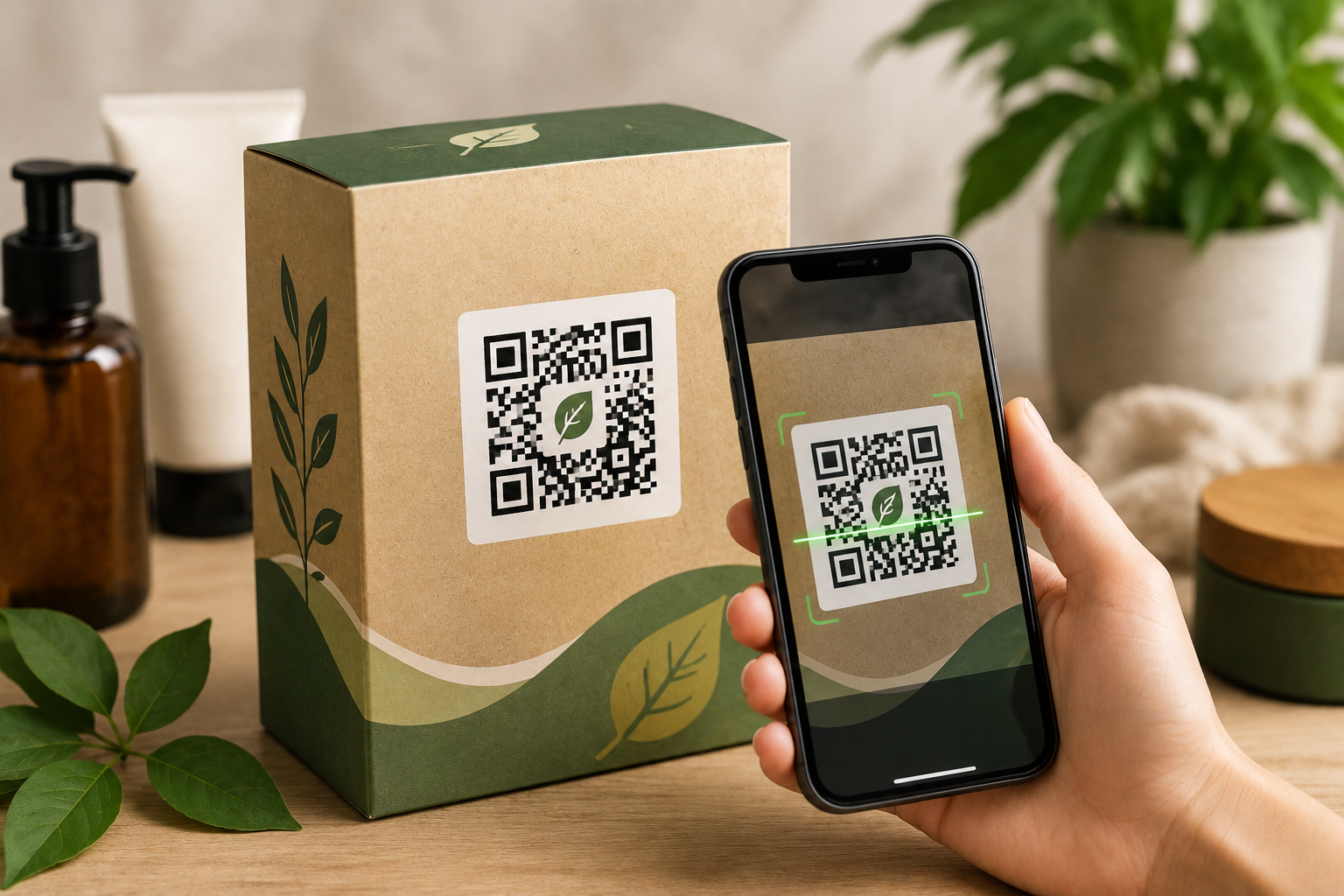
Many consumers still ask how to scan product qr code systems correctly, especially when interacting with QR-enabled packaging for the first time.
Fortunately, the process is extremely simple.
Most modern smartphones support QR scanning directly through the built-in camera application.
Users simply need to:
The device automatically redirects to the embedded destination.
If the smartphone camera does not support QR scanning, users can install dedicated QR scanner applications.
These apps provide:
For successful scanning:
Well-designed packaging improves scanning reliability.
QR codes now support multiple customer engagement strategies across the consumer goods industry.
Packaging remains one of the most effective QR code placements.
Brands use QR codes on packaging for:
This transforms packaging into an interactive digital experience.
Retail stores use QR codes on:
Customers can instantly access detailed information while shopping.
QR technology simplifies customer enrollment into loyalty systems.
Customers can:
This improves customer retention and repeat purchases.
Modern smart packaging strategies increasingly rely on QR technology.
Brands can create:
This helps brands stand out in competitive retail environments.
Although QR technology is highly effective, many brands still implement it incorrectly.
Customers need a reason to scan the QR code.
Effective examples include:
Without clear instructions, many users simply ignore the code.
QR codes should remain:
Tiny or hidden QR codes reduce engagement significantly.
The QR code experience depends heavily on the destination page quality.
Businesses should avoid:
Poor user experiences negatively affect trust and conversions.
Creative QR customization is useful, but excessive modifications may reduce scan functionality.
Brands should balance:
Every QR code should be tested before mass production.
Dynamic QR platforms provide valuable analytics that help brands improve marketing strategies.
Businesses can track:
These insights help brands:
QR analytics transform packaging into measurable digital marketing assets.
QR code adoption continues growing rapidly across the consumer goods industry.
Future trends include:
As consumer expectations become increasingly mobile-focused, QR technology will continue playing a major role in customer engagement and product communication.
Ready to create your first QR code? Start free on ConnectQR - no credit card required.
Create dynamic QR codes with real-time analytics. No credit card required.
Start for Free →