
Create dynamic QR codes with real-time analytics. No credit card required.
Start for Free →Wedding planning involves countless moving parts, from choosing venues and coordinating vendors to organizing guest lists and tracking RSVPs.
Wedding planning involves countless moving parts, from choosing venues and coordinating vendors to organizing guest lists and tracking RSVPs. While traditional paper invitations remain an important part of many weddings, modern couples are increasingly adding digital elements that simplify communication and improve organization. One of the most popular solutions is creating a QR-powered RSVP experience.
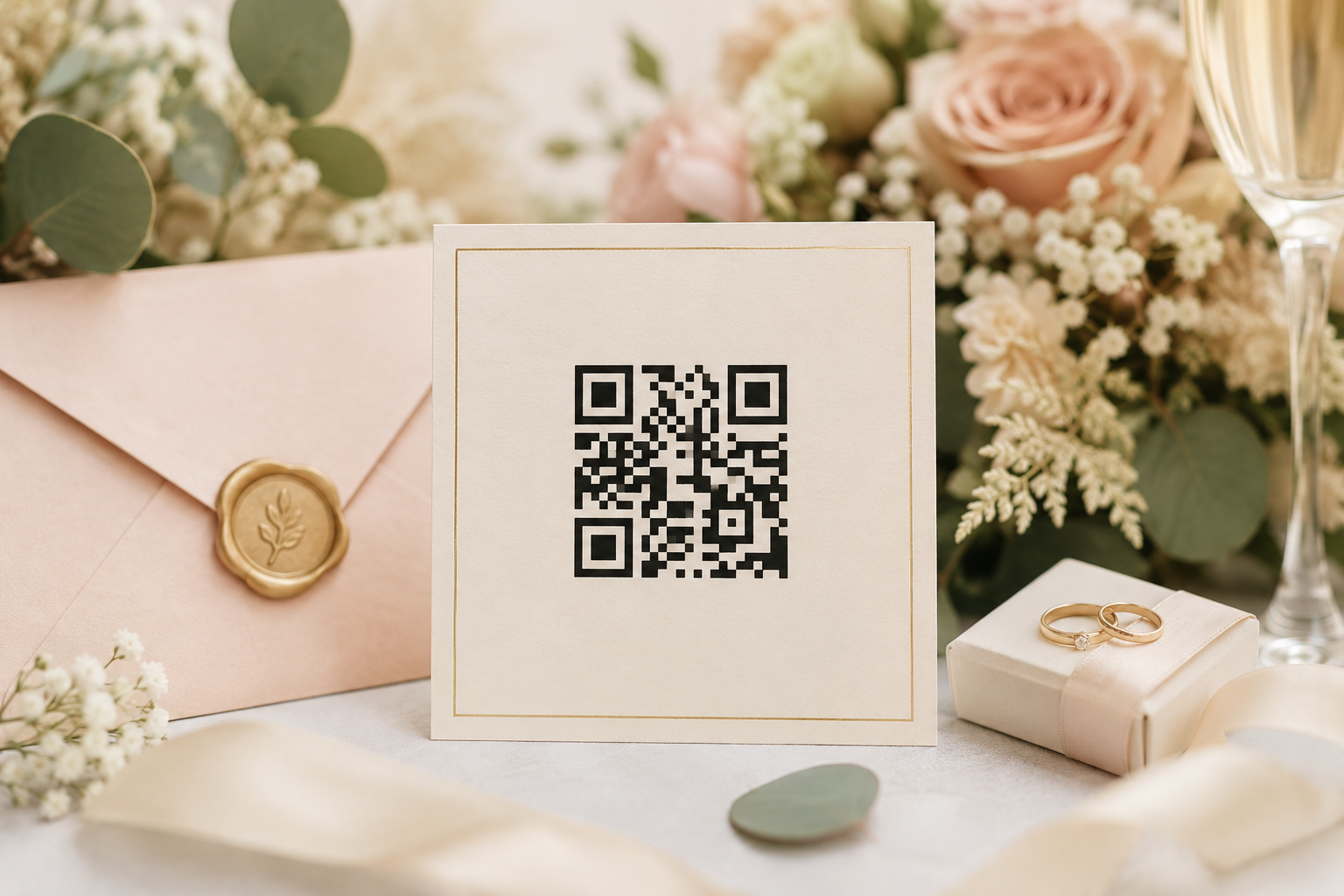
Learning How to Create a Wedding RSVP QR Code Landing Page allows couples to combine elegant printed invitations with convenient digital tools that make guest management significantly easier. Instead of relying on paper response cards, manual follow-ups, or lengthy email chains, couples can direct guests to a mobile-friendly RSVP page through a simple smartphone scan.
This approach not only streamlines logistics but also creates a more interactive and personalized guest experience. Guests can access event details, confirm attendance, review schedules, and find travel information instantly without searching through multiple documents.
The growing popularity of QR-powered wedding planning reflects broader shifts toward digital convenience, mobile-first communication, and flexible event management. Couples now want tools that save time while still preserving the emotional and visual experience of traditional wedding invitations.
Using a modern solution like the qr code for wedding rsvp allows couples to create stylish, organized, and easy-to-manage wedding communication systems that feel both elegant and practical.
Weddings have become increasingly personalized over the past decade, but they have also become more complex to organize. Many couples now host multi-day celebrations, destination weddings, welcome dinners, recovery brunches, or separate ceremonies and receptions. Managing all of this information through printed materials alone can quickly become overwhelming.
Digital RSVP pages solve many of these communication challenges by centralizing information in one accessible location. Guests can quickly review event details, accommodation recommendations, dress codes, schedules, transportation information, and RSVP forms directly from their phones.
This is particularly helpful for destination weddings where guests may need additional travel guidance or updates leading up to the event. Instead of repeatedly answering the same questions individually, couples can update their RSVP landing page whenever information changes.
Another major benefit is flexibility. Traditional printed invitations are static, meaning even small updates can create stress and additional expenses. QR-powered landing pages allow couples to edit details instantly without needing to reprint invitation suites.
Guests also increasingly expect digital convenience in everyday life. QR codes are now commonly used in restaurants, retail stores, airports, events, and hospitality environments, making the experience feel intuitive and familiar.
At the same time, digital wedding communication does not replace the emotional value of printed invitations. Instead, it enhances the experience by combining physical design with modern accessibility and convenience.
The popularity of QR-powered wedding invitations continues growing because they solve practical problems while still allowing couples to maintain elegant invitation design.
One of the biggest reasons couples choose QR systems is simplicity. Instead of including multiple inserts with RSVP cards, accommodation details, maps, schedules, and registry information, invitations can remain visually clean while directing guests to a centralized digital page.
This creates a more organized experience for guests as well. Rather than sorting through several pieces of paper, attendees can access all important information in one place through a quick scan.
Another important advantage is faster RSVP collection. Traditional response cards often lead to delays, incomplete responses, or lost mail. QR-based RSVP forms simplify the process significantly by allowing guests to respond instantly through their smartphones.
Couples also appreciate the ability to collect additional information more efficiently. Dietary restrictions, plus-one confirmations, song requests, transportation preferences, and accommodation details can all be gathered through customizable digital forms.
QR-powered invitations additionally support better event updates. If schedules change, transportation plans shift, or weather-related adjustments become necessary, couples can update information digitally without contacting every guest individually.
Sustainability is another growing factor. Many couples want to reduce paper usage and unnecessary printing costs without sacrificing design quality. QR-based wedding communication supports more environmentally conscious planning while still maintaining a polished aesthetic.
The convenience, flexibility, and personalization offered by QR systems explain why they are becoming increasingly common in modern wedding planning.
One concern some couples initially have about digital RSVP pages is whether they will feel too technical or impersonal. In reality, a well-designed landing page can feel just as warm and welcoming as traditional printed materials.
The key is thoughtful personalization. Couples can incorporate engagement photos, custom typography, wedding colors, animations, timelines, and personalized messages that reflect the tone of the celebration.
Instead of functioning like a generic registration form, a strong RSVP page becomes part of the overall wedding experience. Guests feel guided through the celebration rather than simply asked to confirm attendance.
Many couples also use RSVP pages to introduce important details gradually. For example, guests might first see a welcome message and event overview before moving into schedules, accommodation details, registry links, and RSVP forms.
This creates a smoother and more immersive experience than overwhelming guests with excessive printed inserts inside invitation envelopes.
Another important factor is mobile responsiveness. Most guests will access wedding RSVP pages through smartphones, so pages should load quickly and display properly across devices. Clean layouts, readable typography, and simple navigation all help improve usability.
A successful RSVP page balances practicality with emotion. It should simplify communication while still making guests feel excited and connected to the celebration itself.
Modern no-code tools have made creating wedding landing pages far more accessible than in the past. Couples no longer need technical design skills or web development experience to build polished RSVP pages.
Understanding How to Build a Wedding RSVP Page with ConnectQR’s Drag-and-Drop Builder allows couples to create professional event pages quickly while maintaining full creative control over the design and structure.
Drag-and-drop builders simplify the process by allowing users to visually arrange page sections without coding. Couples can add RSVP forms, images, schedules, venue details, maps, registry links, and personalized messages through a flexible editor interface.
One of the biggest advantages of using a dedicated QR-powered platform is integration between the landing page and the QR code itself. Once the RSVP page is created, couples can generate a scannable QR code that links guests directly to the page instantly.
This QR code can then be placed on invitations, save-the-dates, signage, welcome cards, or wedding programs.
Customization is another major benefit. Couples can align the landing page design with the overall wedding aesthetic by adjusting fonts, colors, layouts, and branding elements. Whether the wedding style is modern, minimalist, romantic, vintage, or destination-inspired, the RSVP experience can feel visually cohesive.
Dynamic editing also provides long-term flexibility. Couples can update schedules, event details, or accommodation information anytime without changing the QR code itself.
Analytics features may also help couples track engagement and RSVP activity more efficiently, making guest management easier throughout the planning process.
By combining elegant design with practical functionality, drag-and-drop RSVP builders help simplify wedding communication while improving the guest experience significantly.
While QR-powered wedding communication offers many advantages, there are still several common mistakes couples should avoid during setup.
One of the biggest issues is overcomplicating the landing page. Guests should not feel overwhelmed by excessive text, cluttered layouts, or confusing navigation. Clear structure and simplicity create a far better experience.
Another common mistake is placing the QR code too discreetly on invitations. Guests should immediately understand its purpose and know that scanning it will provide important wedding information.
Poor mobile optimization can also create frustration. Since most guests will use smartphones, RSVP pages must function smoothly on smaller screens without slow loading times or difficult navigation.
Couples should additionally test the full RSVP process before sending invitations. Broken links, missing forms, or formatting issues can create unnecessary confusion for guests.
Privacy and security are important considerations as well. Wedding pages often include personal event details, so couples should choose reliable platforms that support stable hosting and secure access.
Finally, it is important to balance digital convenience with personal warmth. QR systems should enhance guest communication rather than make the wedding feel overly corporate or automated.
Placement plays a major role in how effectively guests interact with wedding QR codes. A well-positioned QR code feels seamless and intentional, while poor placement may cause confusion or disrupt invitation aesthetics.
One of the most popular approaches is placing the QR code on a separate RSVP card inside the invitation suite. This keeps the main invitation elegant while clearly signaling the RSVP function.
Minimalist invitation designs sometimes place the QR code discreetly on the back of the invitation itself, often alongside a short instruction such as “Scan to RSVP” or “View Wedding Details.”
Save-the-date cards are another effective location, especially for destination weddings where guests may need early access to travel and accommodation information.
Many couples also use QR codes throughout the event itself. Wedding signage, welcome bags, seating displays, menus, and event programs can all include QR-powered links to schedules, photo galleries, playlists, or guest information.
Some creative placements include:
The most important factor is clarity. Guests should immediately understand what the QR code provides and feel comfortable using it.
Thoughtful placement helps QR systems feel integrated into the wedding experience rather than added as an afterthought.
Modern wedding planning increasingly combines traditional elegance with digital convenience, and understanding How to Create a Wedding RSVP QR Code Landing Page allows couples to simplify communication while improving guest experiences.
The growing trend behind Why Couples Are Using QR Codes for Wedding Invitations reflects changing expectations around accessibility, flexibility, and mobile-friendly event planning.
Learning How to Build a Wedding RSVP Page with ConnectQR’s Drag-and-Drop Builder gives couples an easy way to create personalized RSVP experiences without technical complexity, while thoughtful implementation of Best QR Code Placement Ideas for Wedding Invitations helps ensure guests engage naturally with the digital experience.
Using a modern qr code for wedding rsvp solution allows couples to create organized, stylish, and memorable wedding communication systems that support both practicality and personalization.
As weddings continue evolving alongside digital lifestyles, QR-powered RSVP experiences are becoming one of the simplest ways to modernize guest communication without losing the emotional charm of traditional celebrations.
Ready to create your first QR code? Start free on ConnectQR - no credit card required.
Create dynamic QR codes with real-time analytics. No credit card required.
Start for Free →